Moving beyond basic triads, seventh chords and inversions add depth, color, and sophistication to music. Understanding these concepts is key to analyzing and creating more complex harmonies.
A seventh chord is a chord consisting of a triad plus a note forming an interval of a seventh above the chord's root. Essentially, it's a four-note chord: Root, 3rd, 5th, and 7th.
These chords are fundamental in many genres, including jazz, pop, classical, and blues, adding richness and complexity compared to simple triads.
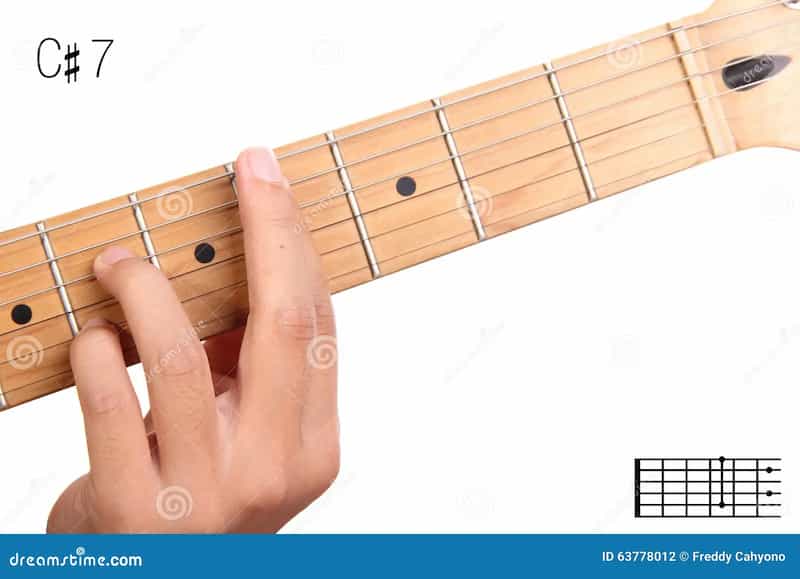
Question 1: What are the notes in an F Major Seventh (Fmaj7) chord?
Show Answer
F (Root), A (Major 3rd), C (Perfect 5th), E (Major 7th). So: F – A – C – E.
Question 2: If a C7 chord (C-E-G-B♭) has G in the bass, what inversion is it?
Show Answer
G is the 5th of the C7 chord. So, it's in Second Inversion (C7/G).
Lesson Summary
- Seventh Chords add a fourth note (a 7th) to a triad.
- Common types: Major 7th (Maj7), Dominant 7th (7), Minor 7th (m7).
- Chord Inversions change the bass note of a chord without changing its identity.
- Triads have root position, 1st inversion, and 2nd inversion.
- Seventh chords have root position, 1st, 2nd, and 3rd inversions.
- Inversions and 7th chords create smoother basslines, add harmonic color, and are vital for voice leading and common progressions.